
The Historic Homeowner’s Guide to Modern Plumbing: Avoiding Common Pipe Issues in Older Roanoke Neighborhoods
Roanoke is a city rich in history. From the beautiful Victorian homes in Old Southwest to the classic bungalows in Grandin Village and the historic properties in Williamson Road, our older neighborhoods have incredible character and architectural charm. Owning a historic home means preserving a piece of Virginia’s past. However, it also means managing older structural systems, especially when it comes to your hidden plumbing layout.
While high ceilings and original hardwood floors are wonderful features, the ancient plumbing systems hidden behind your plaster walls can be a major source of hidden stress. Over the decades, old pipes face an uphill battle against mineral buildup, shifting foundations, and natural material breakdown. Discovering a major water leak or dealing with constant sewer backups can quickly put a dampener on your historic home experience. Ostrom Electrical, Plumbing, Heating & Air has been helping local families keep their home utilities running safely and efficiently for years. This guide breaks down the most common plumbing issues found in older Roanoke neighborhoods and the best ways to modernize your pipes without losing your home’s historic charm.
Hidden Legacy Pipes: What is Lurking Behind Your Plaster Walls?
In historic homes, your plumbing system is often a patchwork of different materials installed by various contractors over the last century. Knowing what your hidden infrastructure is actually made of is the first step toward preventing a major water emergency.
Identifying Dangerous and Outdated Pipe Materials
-
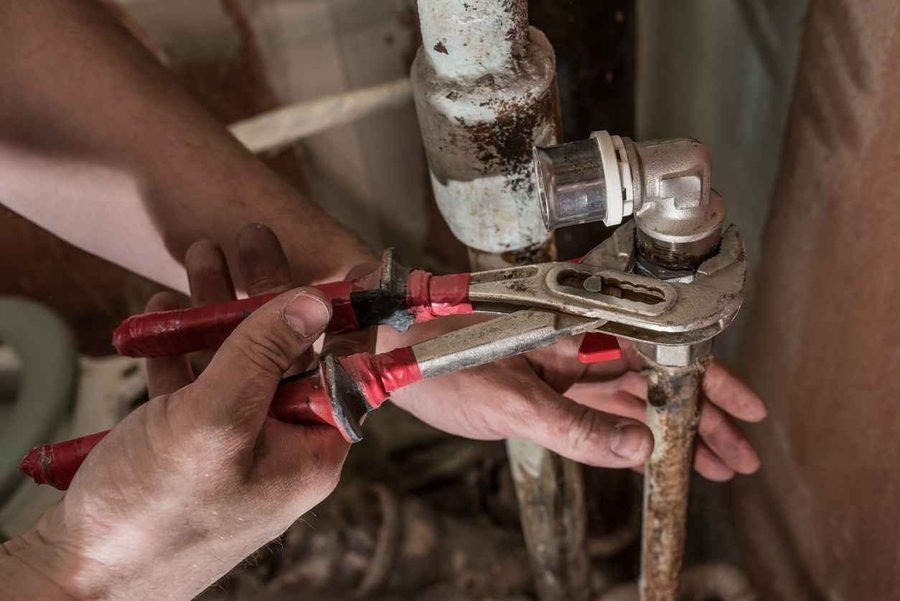
Galvanized Steel Supply Lines: Very common in homes built before the 1960s, these iron pipes are coated in zinc. Over the decades, the internal zinc layer wears away, causing the pipe to rust from the inside out. This closes off the water pathway, turning your morning shower into a weak trickle and causing your water to look brown or yellowish.
-
Fragile Cast Iron Drain Pipes: Used for main waste and sewer lines throughout the 20th century, cast iron is tough but prone to internal rusting. Waste catches on the rough rust patches, leading to constant blockages. Eventually, the bottom of the pipe completely rots away into the soil.
-
Legacy Lead Piping Connections: Found in exceptionally old Roanoke properties, lead was used for small connection joints and main water lines. Because lead can leach into your family’s drinking water and cause serious health issues, these lines need to be identified and replaced immediately.
-
Polybutylene Plastic Lines: Popular in the late 1970s and 1980s, these grey plastic pipes react poorly to standard water treatment chemicals. They become brittle and crack from the inside out, causing massive, unexpected floods behind your walls.
The Biggest Plumbing Threats for Historic Roanoke Properties
Older homes face unique plumbing challenges that newer suburban builds simply do not encounter. Our local geography and mature landscapes play a huge role in how these old pipes hold up over time.
Why Older Neighborhoods Suffer More Frequent Pipe Failures
Living in an established neighborhood means dealing with the natural side effects of a mature landscape. The primary plumbing threat comes from the beautiful, historic trees lining our city streets. Oak and maple tree roots are constantly searching for moisture, and they can easily sniff out the tiny gaps or loose joints in an old clay or cast iron sewer line. Once a single root strand slips inside, it grows rapidly into a thick, woody mass that completely blocks your waste flow and shatters the brittle pipe.
Additionally, Roanoke’s clay soil naturally shifts and expands during rainy seasons and winter freezes. This steady ground movement places a twisting force on brittle, old pipes. When you combine shifting soil with ancient, uninsulated lines running through cold crawlspaces, you face a very high risk of pipe bursts during winter freezes. Over many decades, the water pressure surges sent from city water mains will steadily wear down the thinning metal walls of old galvanized pipes until they finally spring a hidden leak.
Modern Solutions That Protect Your Home’s Historic Value
Many historic homeowners delay updating their plumbing because they are terrified of contractors tearing down original plaster walls, cutting through beautiful crown molding, or digging a massive trench across their pristine lawns. Thankfully, modern plumbing technology allows us to upgrade your home utilities cleanly without destroying your property’s historical integrity.
Clean Ways to Update Your Plumbing Layout
Instead of using traditional rigid copper lines that require wide paths through walls, modern plumbers utilize flexible PEX piping. This heavy-duty, flexible plastic tubing can be snaked through existing wall cavities and floor joists like an electrical wire, minimizing the need to cut into your original woodwork or historic plaster. PEX is highly resistant to chemical corrosion, expands slightly to prevent freezing winter bursts, and completely eliminates the risk of rusty water.
For broken underground sewer lines running beneath your yard or driveway, advanced no-dig trenchless technology can save your landscaping. Using trenchless pipe bursting, a plumber can slide a brand-new, seamless line right inside your old, broken pipe using just two tiny access holes at either end of your lawn. If your indoor drains are simply clogged with decades of grease and rust scale, high-pressure hydro-jetting can blast the line clean with water, restoring the pipe’s original flow capacity without the need for an expensive extraction project.
Finding the Right Balance for Your Daily Comfort
Preserving a historic Roanoke home is a labor of love, but your peace of mind depends on a reliable, clean water supply and a functional drainage system. If your current plumbing grid is a mix of old galvanized steel and decaying cast iron that leaves you with low water pressure and recurring drain backups, continuing to pay for short-term fixes is a losing game. Making the proactive choice to modernize your old lines with clean, flexible PEX piping and seamless sewer alternatives permanently drops your home operating costs, protects your family’s health from old rust or lead, and immunizes your property from catastrophic winter bursts. Investing in your home’s core utility layout guarantees that your historic asset stays safe, dry, and perfectly functional for generations to come.
Talk to an Expert at Ostrom Electrical, Plumbing, Heating & Air
You don’t have to tackle complex plumbing renovations or hidden pipe emergencies alone. The friendly, experienced team at Ostrom Electrical, Plumbing, Heating & Air has been serving homeowners across Roanoke, Grandin Village, Old Southwest, and the surrounding communities with total integrity. Our licensed plumbing specialists understand the unique architectural constraints of older homes and know how to execute meticulous upgrades that protect your historical features. We offer clear, upfront pricing and customized solutions tailored to your property’s precise needs.
Reach out to us today to get your home’s plumbing system evaluated!

Recent Posts
Recent Posts
Contact Us