

Beating Roanoke Humidity: Why Your AC Feels Like It’s Working Double-Time
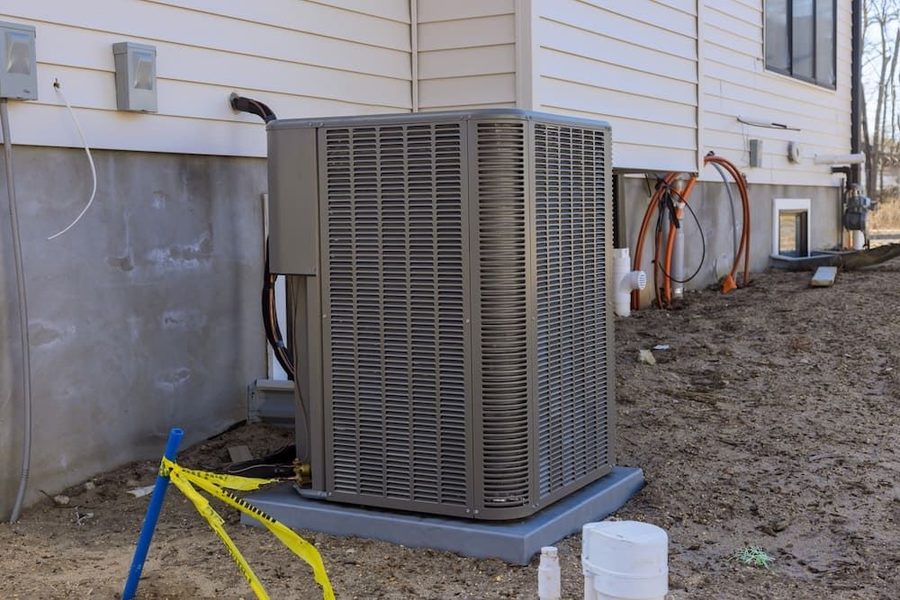
Summer in the Roanoke Valley is a beautiful time of year, but it brings a definitive climate challenge that catches many homeowners off guard. Nestled between the Blue Ridge and Allegheny mountains, Roanoke experiences a distinct geographic phenomenon. The surrounding mountains trap warm, moisture-rich air flowing in from the south, turning our July and August afternoons into sticky, oppressive experiences.
When the outdoor humidity levels consistently climb past 70 percent, you might notice something concerning happening inside your home. Your central air conditioner seems to run continuously, the indoor air feels heavy or clammy, and your monthly utility statements take a massive leap upward. It feels as though your cooling equipment is working double-time just to keep your living spaces livable.
At Ostrom Electrical, Plumbing, Heating & Air, we want to reassure you that your system is not necessarily broken. It is likely locked in a fierce battle against Roanoke’s relentless summer moisture. This guide will explore the science behind how humidity forces your AC to work overtime and outline the professional solutions that can restore comfort and efficiency to your home.
The Invisible Burden: Sensible Heat vs. Latent Heat
To understand why your air conditioner struggles during a humid Roanoke summer, you must understand that your cooling system has two entirely separate jobs. It must lower the temperature of the air, and it must remove moisture from the air. In the HVAC industry, these are categorized as sensible heat and latent heat.
Managing Sensible Heat
Sensible heat is the thermal energy that you can actually read on a standard thermometer. When your thermostat registers that a room is 80 degrees and you want it to be 72 degrees, your AC works to lower that sensible temperature by circulating refrigerant and moving air.
Managing Latent Heat
Latent heat is the hidden energy stored within the water vapor suspended in your indoor air. When relative humidity is high, the air carries a massive thermal load that a thermometer cannot measure directly.
Before your air conditioner can effectively lower the sensible temperature of a room, it must first condense and extract that suspended water vapor. Dealing with latent heat requires an immense amount of electrical energy, forcing your system to run longer, harder cycles just to make a small dent in the actual indoor temperature.
The Anatomy of Moisture Removal: How an AC Dehumidifies
Your central air conditioner or modern heat pump is technically a heavy-duty dehumidifier by design. The process of moisture removal happens entirely through a natural law of physics inside your indoor air handler cabinet.
The Condensation Loop
As the blower motor pulls warm, damp air from your living room through the return vents, it passes the air directly across the freezing metal surfaces of the indoor evaporator coil. Cold liquid refrigerant flows through these copper coils continuously.
When the warm, moist indoor air hits the freezing metal, a rapid temperature drop occurs. The air can no longer hold its water vapor, causing the moisture to condense into liquid water droplets right on the surface of the coil. This is the exact same physical reaction that causes droplets of water to bead up on the outside of a cold glass of iced tea on a hot afternoon.
The Drainage Network
The collected water drops down the face of the evaporator coil into a primary drain pan. From there, it flows through a narrow PVC plastic pipe called the condensate drain line, which carries the water safely outside or down a dedicated utility drain. On a typical humid Roanoke afternoon, an appropriately sized air conditioner can pull up to twenty gallons of water out of your indoor air every single day.
Why High Humidity Causes System Fatigue
When your indoor relative humidity crosses the 60 percent threshold, it acts as a mechanical anchor on your cooling equipment. This environmental pressure manifests in several distinct ways that lead to system fatigue.
Extended Runtimes and Short-Cycling Issues
Because the air conditioner must prioritize stripping latent moisture before it can lower the actual room temperature, the unit must run for extended periods. If your system is slightly older or hasn’t received annual maintenance, it may run continuously for several hours during the peak afternoon heat window.
Conversely, if your system is oversized for your property’s square footage, it will experience short-cycling. It will blast your home with cold air, satisfy the thermostat temperature setting quickly, and shut down before it has completed a full dehumidification cycle. This leaves your home feeling cold, damp, and distinctly clammy, while straining your start capacitors and compressor pump.
The Threat of Frozen Evaporator Coils
When high humidity forces your system to run continuously, the continuous moisture accumulation on the indoor coil can become a hazard if airflow is restricted.
If your air filter is dirty or your blower motor is slipping, the moisture on the cold copper fins cannot evaporate or drain away fast enough. The water drops begin to freeze, forming a solid block of ice that completely blocks airflow. Once the coil freezes, your home comfort drops to zero, and your system faces an immediate risk of compressor failure.
Key Warning Signs Your Home Has a Moisture Problem
You do not need specialized laboratory testing tools to determine if Roanoke’s seasonal climate is overwhelming your home infrastructure. Your property drops clear visual and physical clues.
-
Condensation on Windows: Water droplets bead up or fog the interior glass panels of your windows during humid mornings.
-
Sticky Leather and Textiles: Your furniture, bedsheets, and carpets feel slightly damp, sticky, or cool to the touch.
-
Persistent Musty Odors: A distinct, earthy, or damp towel odor in your hallways or basement indicates that moisture is pooling inside your walls.
-
Peeling Paint or Wallpaper: High relative humidity degrades adhesives, causing wallpaper corners to curl or drywall paint to blister near bathrooms and kitchens.
Modern Innovations for Absolute Moisture Control
If your air conditioner is struggling against the summer elements, you no longer have to tolerate a sticky, uncomfortable home. The HVAC industry has developed sophisticated solutions to combat high-latent heat environments.
Variable-Speed Inverter Technology
Traditional, older air conditioners operate like a basic light switch. They are either 100 percent on or completely off. Modern high-efficiency systems feature variable-speed compressors powered by advanced inverter technology.
These systems can scale their operational output down to a fraction of their maximum capacity. They run longer, slower, and quieter cycles that consume minimal electricity. These extended, low-speed run times are ideal for humidity management, as they keep air moving across the cooling coils continuously, scrubbing moisture from your home with exceptional precision.
Whole-Home Dedicated Dehumidifiers
For properties dealing with extreme moisture or homes constructed with encapsulated crawlspaces, installing a whole-home dehumidifier is the ultimate solution. Integrated directly into your existing duct network, this device monitors indoor moisture levels independently of your thermostat.
It pulls damp air from your return vents, extracts the excess water volume efficiently, and sends dry air back into circulation. By handling the moisture burden independently, it allows your primary air conditioner to focus solely on lowering the temperature, lowering your monthly energy bills, and protecting your equipment warranties.
Reclaim Your Home’s Comfort Today
Roanoke humidity is a powerful seasonal force, but it does not have to dictate your indoor lifestyle or compromise your home comfort systems. By understanding the true relationship between sensible heat, latent heat, and your air conditioner, you can take proactive steps to protect your property investment and elevate your family’s health.
Stop letting the summer mugginess force your AC to work double-time. Contact Ostrom Electrical, Plumbing, Heating & Air today to schedule a cooling tune-up or indoor air quality consultation. Let our expert home service team deliver the reliable, high-efficiency comfort solutions your family deserves all season long.

Recent Posts
Recent Posts
Contact Us