
Fall Water Heater Maintenance: Get Your Roanoke Home Ready for Colder Weather
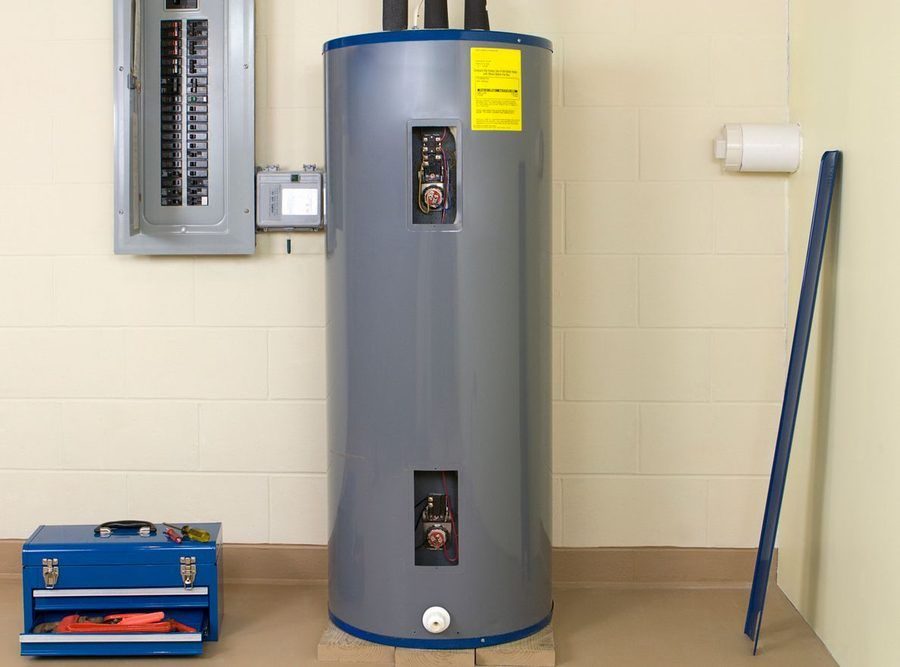
Your water heater works throughout the year, but fall is a useful time to give it some extra attention. As temperatures drop in Roanoke, colder incoming water and changing household routines can make water heater performance more noticeable. The last thing you want is to discover a hot water problem when colder weather has already arrived.
A few basic checks, along with maintenance appropriate for your specific equipment, can help identify leaks, sediment buildup, corrosion, and performance concerns. Whether you have a traditional tank or tankless system, preparing your water heater this fall can help you head into winter knowing what condition it is in.
Why Is Fall a Good Time for Water Heater Maintenance in Roanoke?
Fall is a convenient time for water heater maintenance because it allows Roanoke homeowners to check the system before colder incoming water and increased winter hot water demand put more emphasis on its performance.
Water heaters require attention throughout the year, so fall is not the only time maintenance can be performed. However, it provides a natural seasonal checkpoint before winter.
Specific maintenance needs and schedules vary by water heater, so always consider the manufacturer’s instructions for your equipment.
1. Check the Water Heater for Leaks
Start with a visual inspection of the accessible areas around your water heater.
Look at the floor beneath and around the equipment, visible plumbing connections, the drain valve area, and the exterior of a tank-style unit. Water where it does not belong should not be ignored.
Not every leak means the water heater itself has failed. Water can originate from a plumbing connection, valve, nearby pipe, or another source. A leaking tank, however, can be a more significant problem.
If you repeatedly find moisture around the water heater, have the source identified rather than simply drying the area.
2. Look for Rust and Corrosion
Fall is also a good time to look for visible changes in the condition of your water heater.
Rust streaks, deteriorating connections, corrosion around valves, or other unusual changes deserve attention. If the hot water itself becomes rusty or discolored, mention that to your plumber as well.
Visible corrosion does not automatically mean a water heater is about to fail. Similarly, discolored hot water can have several potential causes. A professional evaluation can help determine whether the issue involves the water heater, piping, water conditions, or another source.
3. Determine Whether Your Tank Needs Flushing
Sediment and minerals can accumulate inside tank-style water heaters over time. Depending on the water conditions and equipment, flushing may help remove loose material from the bottom of the tank.
However, flushing does not necessarily remove hardened mineral scale, and every water heater should not be placed on the same maintenance schedule.
Follow the manufacturer’s recommendations for your specific unit. If an older water heater has gone many years without maintenance, consider having its condition professionally evaluated before attempting an aggressive flush.
4. Pay Attention to Popping or Rumbling
A water heater should not suddenly become much noisier without getting your attention.
Popping or rumbling from a tank-style water heater can sometimes be associated with sediment accumulation. However, noise alone does not prove that sediment is responsible, nor does it automatically mean the water heater needs replacement.
If the sound is new, unusually loud, or getting worse, schedule an inspection so the cause can be identified.
5. Review the Water Temperature
If your hot water suddenly seems significantly hotter or cooler than usual, the change may indicate more than a seasonal difference.
Depending on the type of water heater, inconsistent temperatures can involve thermostats, heating elements, burners, controls, mineral buildup, or other issues.
Avoid simply turning the temperature higher to compensate for poor performance. Excessively hot water increases scalding risk and can increase energy use.
For many households, 120°F is a commonly recommended starting point, but individual needs and equipment vary. Follow your water heater manufacturer’s instructions and consider household circumstances when selecting a setting.
6. Keep the Area Around the Water Heater Clear
Water heaters need appropriate space around them for safe operation, inspection, and maintenance.
Avoid stacking household belongings against the equipment. Keep combustible materials away from applicable gas-fired water heaters and maintain all clearances specified by the manufacturer.
Gas equipment also requires appropriate combustion air and venting. Do not block openings or make modifications around the water heater that could interfere with safe operation.
7. Don’t Ignore the Temperature and Pressure Relief Valve
Tank-style water heaters typically have a temperature and pressure relief valve, commonly called a T&P valve. This is an important safety component designed to relieve excessive temperature or pressure under certain conditions.
Never plug, cap, or disable a T&P valve.
Persistent dripping or leaking from the valve should not simply be dismissed as normal. Several conditions can cause discharge, and the underlying reason should be identified.
Inspection and testing should follow manufacturer guidance. If you are unsure how to safely evaluate the valve, leave it to a qualified plumbing professional.
8. Pay Attention to Gas Water Heater Venting
If your Roanoke home has a gas water heater, combustion and venting safety are important parts of water heater service.
Without disassembling anything, homeowners can watch for obvious problems such as displaced venting, soot, scorching, or unusual odors around the equipment.
Do not attempt DIY gas, burner, or venting repairs. If you suspect a combustion or gas-related problem, stop using the equipment when appropriate and seek qualified professional assistance. If you smell gas, leave the area and follow your gas utility’s emergency guidance.
What About Tankless Water Heater Maintenance?
Tankless water heaters need maintenance too, but their requirements differ from traditional storage tanks.
Mineral scale can accumulate within a tankless system’s water passages and heat exchanger. Depending on the equipment, water conditions, and manufacturer recommendations, periodic descaling may be necessary.
Some systems also have inlet filters or other components requiring inspection or cleaning.
Do not assume that tank and tankless water heaters use the same flushing procedure. Follow the manufacturer’s maintenance instructions for your particular system.
Why Can Water Heater Performance Change During Colder Weather?
Incoming water temperatures can decrease as outdoor and ground conditions change. Your water heater then has to raise that water through a greater temperature difference before delivering it at your desired temperature.
Depending on the system, you might notice longer recovery times or less available hot water during periods of higher demand.
Tankless systems can also be affected because colder incoming water requires a greater temperature rise. The amount of hot water a tankless unit can deliver at a particular temperature depends partly on those conditions.
A seasonal difference does not necessarily mean the water heater is malfunctioning. A major or persistent change, however, deserves investigation.
Signs Your Water Heater May Need Repair Before Winter
Schedule professional water heater service if you notice:
-
Water leaking around the equipment
-
Not enough hot water
-
Unusually slow recovery
-
Unexpected temperature fluctuations
-
New or increasingly loud noises
-
Discolored hot water
-
Error codes on applicable systems
-
Repeated shutdowns
-
Visible combustion or venting concerns
Age can be one factor when deciding whether to repair or replace a water heater, but it should not be the only consideration. Tank condition, leaks, corrosion, repair history, performance, and the cost and nature of the needed repair all matter.
Prepare Your Roanoke Water Heater for Colder Weather With Ostrom
Fall water heater maintenance can help you identify potential problems before colder weather puts more focus on your home’s hot water supply. Checking for leaks, monitoring performance, keeping the equipment accessible, and following manufacturer maintenance recommendations are good places to start.
If your water heater needs professional attention, contact Ostrom Electrical, Plumbing, Heating & Air for water heater maintenance, repair, and replacement in Roanoke. Our team can evaluate your system and help get your home’s hot water ready for the colder months ahead.

Recent Posts
Recent Posts
Contact Us