What’s the Best Kind of Water Heater?
When choosing a new water heater for your home there are more choices than ever. Here’s a comparison of the most common types of water heater and the advantages and disadvantages of each style.
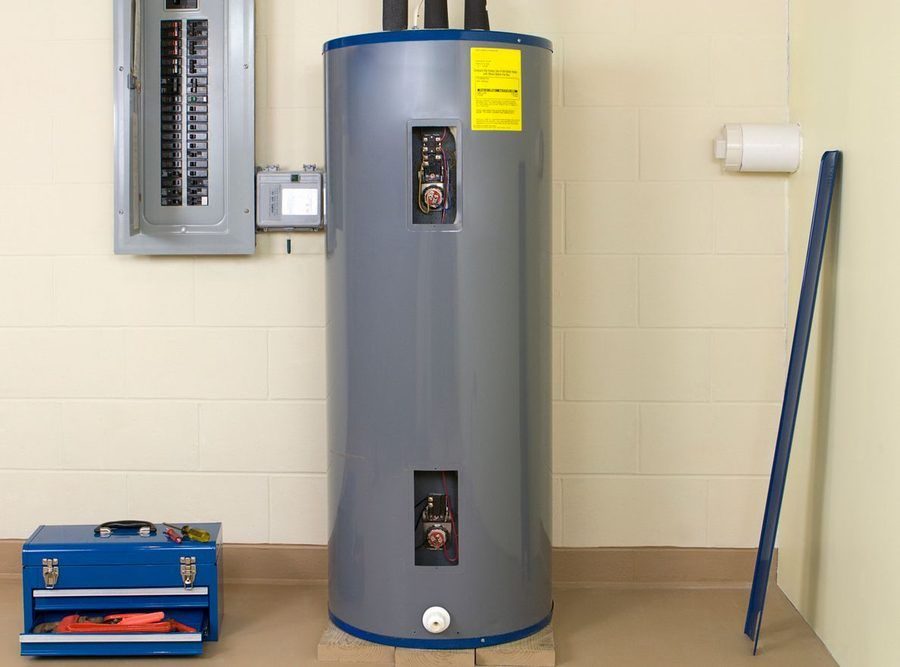
Electric Tank Water Heater
Heats and stores water using electricity
- Purchase Cost (less installation): $300 – $1,200
- Advantages: Lowest upfront cost, Good for small or large households
- Disadvantages: More expensive to operate
Gas Tank Water Heater
Heats and stores water using natural gas or propane
- Purchase cost (less installation): $380 to $1,500
- Advantages: Lowest upfront cost, Good for small or large households
- Disadvantages: More expensive to operate
Tankless Gas Water Heater
Heats water on demand when it’s needed.
- Purchase cost (less installation): $1000+
- Advantages: Good for smaller households, lower operating cost, small footprint
- Disadvantages: More expensive to operate
Electric Heat Pump Water Heater
Uses electricity to move heat from one place to another
- Purchase cost (less installation): $1,000+
- Advantages: 2-3 times more efficient than a conventional tank water heater.
- Disadvantages: Not a good option for colder climates
Condensing Gas Water Heaters
Heats and stores the water using gas, then uses the combustion gas to further heat the water.
- Purchase cost (less installation): $1,000+
- Advantages: Lowest operating cost. Can save a household $100+ a year
- Disadvantages: Higher up-front cost
Hybrid Tankless Water Heater
Combines the advantages of a small storage tank with a tankless water heater.
- Purchase cost (less installation): $1,000+
- Advantages: Lower operating cost. Less standby heat loss than a conventional tank water heater, and no “cold water sandwich” that can occur with tankless water heaters.
- Disadvantages: Higher up-front cost
Need help choosing the best water heater for your needs? Call Ostrom. We can help with all your plumbing and hot water needs.

Recent Posts
Recent Posts
Contact Us
Trusted by