

Why Are My Lights Flickering? What Your Home Might Be Trying to Tell You
Flickering lights can be easy to ignore. Maybe it happens once and stops. Maybe it’s subtle enough that you second-guess whether you even saw it. But when your lights flicker, your home could be signaling anything from a minor fix to a more serious electrical concern.
Let’s break down what might be happening — and when it’s time to call in a professional.
The Simple Fix: A Loose Bulb
If only one light is flickering, the issue is often straightforward.
A loose bulb is one of the most common causes. Over time, vibrations and normal use can cause bulbs to slightly loosen in their sockets. In many cases, carefully tightening the bulb or replacing it entirely is all it takes to solve the problem.
It’s a quick check — and always the best place to start.
It Could Be the Light Switch
Another possible culprit? A worn-out light switch.
Try gently wiggling the switch or lightly tapping the wall plate around it. If the light flickers in response, the switch may be failing internally. This is especially common in high-use areas of your home.
If your fixture is connected to a dimmer, there’s another factor to consider: not all bulbs are compatible with dimmer switches. Using a non-dimmable bulb in a dimmer fixture can cause flickering, buzzing, or inconsistent lighting. Make sure your bulb is specifically labeled as dimmer-compatible.
When Appliances Cause the Flicker
Sometimes, flickering isn’t isolated to a single fixture.
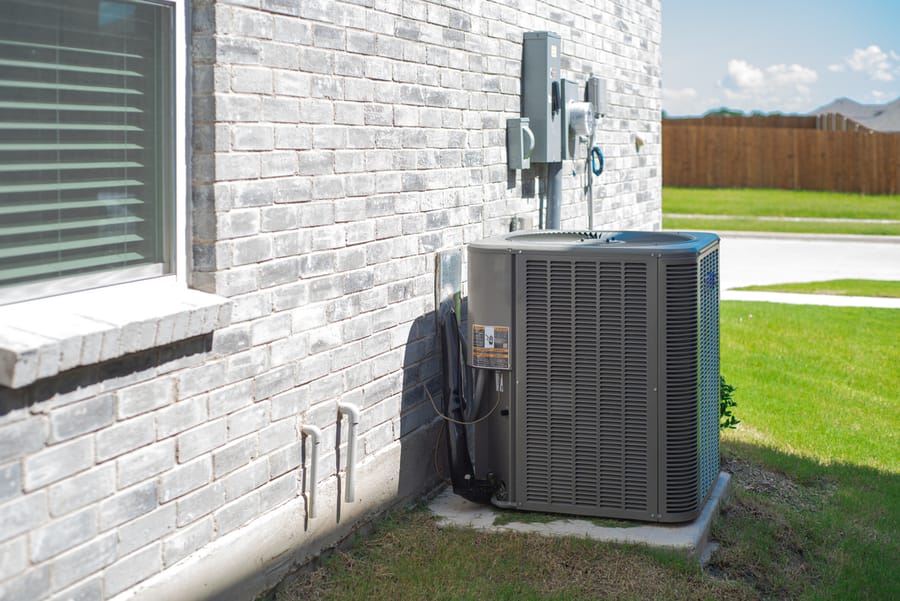
Large appliances like your air conditioner or refrigerator naturally draw extra power when they start up. That brief surge can cause lights to dim momentarily. Occasional dimming during startup isn’t always alarming — but if it happens frequently, your circuits could be overloaded.
Overloaded circuits can strain your electrical system and shouldn’t be ignored.
Whole-Home Flickering: A Bigger Warning Sign
If lights flicker regularly throughout your home, that’s a stronger red flag.
Widespread flickering can indicate:
- Loose wiring connections
- Issues inside your electrical panel
- Failing breakers
- Utility supply problems
Loose electrical connections are particularly concerning because they can generate heat — and heat inside your walls can become a serious fire hazard if left unaddressed.
Electrical problems are rarely something to “wait and see” about.
When to Call a Licensed Electrician
If tightening the bulb doesn’t fix the issue, it’s time to stop guessing.
A licensed electrician can inspect your switches, fixtures, wiring, and electrical panel to pinpoint the cause. Often, a quick inspection now can prevent a much larger — and more expensive — repair later.
Flickering lights may seem minor, but your home’s electrical system is complex. When something isn’t operating consistently, it’s worth investigating.
Because when your lights flicker, your home may be trying to tell you something.


Contact Us