
The Freeze-Thaw Plumbing Survival Guide for Southwest Virginia Homes
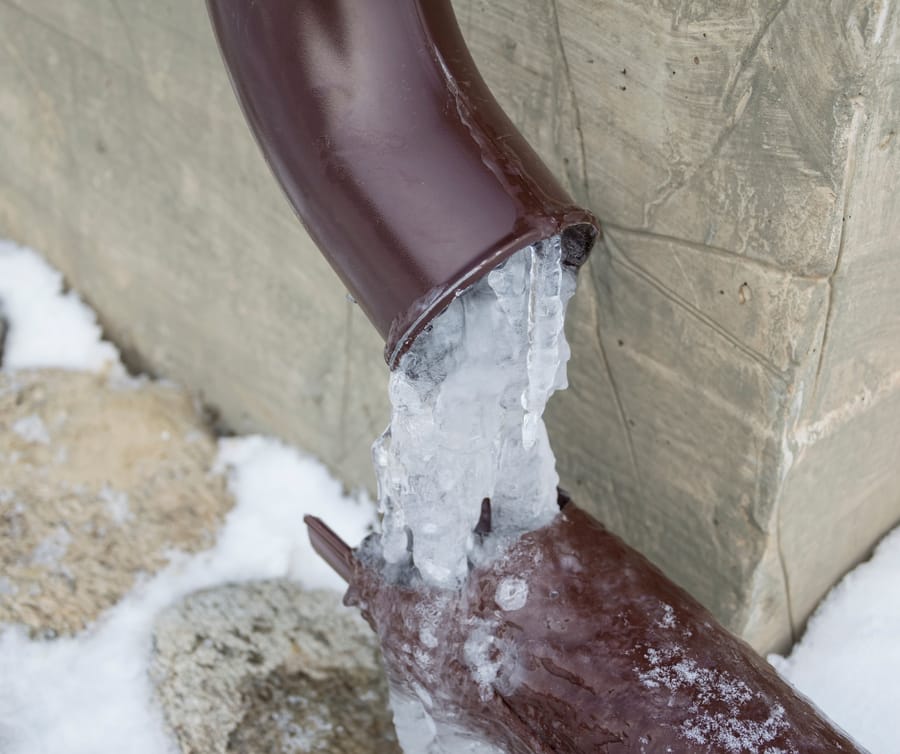
Freeze-thaw cycles are a common challenge for homeowners in Southwest Virginia. Unlike regions with consistent cold temperatures, this area often experiences frequent swings between freezing and thawing conditions. These temperature changes place extra stress on plumbing systems and increase the risk of pipe damage, leaks, and unexpected water emergencies.
Many plumbing failures linked to winter weather do not happen during the coldest nights. Damage often begins when pipes freeze and then reveals itself as temperatures rise and water pressure returns. Understanding how freeze-thaw cycles affect your plumbing helps homeowners take the right steps to protect their pipes and reduce the risk of costly repairs during the winter season.
How Freeze-Thaw Cycles Damage Plumbing Systems
Freeze-thaw cycles place repeated stress on pipes, fittings, and connections. When temperatures drop, water inside the pipes freezes and expands. As temperatures rise, the ice melts and pressure is released, often leaving behind weakened areas that can fail later.
What Happens to Pipes During Freezing Temperatures
When water freezes, it expands inside the pipe. This expansion increases internal pressure and pushes outward on pipe walls and joints. Even pipes that do not burst immediately can develop small cracks that weaken the system.
Common freeze-related damage includes:
-
Cracks along pipe walls
-
Stressed or loosened joints
-
Weakened fittings
Why Thawing Can Be Just as Dangerous
Thawing allows water to flow again, which increases pressure on already damaged areas. Leaks often appear hours or days after temperatures rise, catching homeowners off guard. This delayed failure is why many winter plumbing issues show up after the cold spell ends.
Plumbing Areas Most Vulnerable in Southwest Virginia Homes
Certain parts of a home are more exposed to temperature changes, making them especially vulnerable during freeze-thaw cycles. Identifying these high-risk areas helps homeowners focus protection efforts where they matter most.
Exposed and Exterior Pipes
Pipes located outside the main living space are more likely to freeze. These areas often lack proper insulation or consistent heat.
Common problem locations include:
-
Crawl spaces
-
Garages
-
Exterior walls
-
Outdoor hose bibs
Older Plumbing Systems and Materials
Homes with older plumbing are often at higher risk due to aging materials and outdated installation standards. Older insulation may not provide enough protection against fluctuating temperatures.
Pipes more prone to freeze damage include:
-
Galvanized steel
-
Older copper lines
-
Pipes with minimal insulation
Warning Signs of Freeze-Thaw Plumbing Damage
Freeze-thaw damage does not always cause immediate pipe failure. In many cases, warning signs appear gradually as weakened pipes struggle to handle normal water pressure. Recognizing these signs early can help prevent major water damage.
Early Symptoms Homeowners Overlook
Subtle changes in plumbing performance are often the first indicators of freeze-related damage. These issues may seem minor at first, but should not be ignored.
Common early warning signs include:
-
Reduced water pressure
-
Frost or condensation on exposed pipes
-
Unusual noises when water is running
Signs of Active or Imminent Failure
As damage worsens, plumbing issues become more obvious and urgent. These signs indicate a higher risk of leaks or bursts.
Serious warning signs include:
-
Bulging or misshapen pipes
-
Visible cracks or leaks
-
Water pooling near walls or foundations
How to Protect Your Plumbing Before Temperatures Drop
Preparing your plumbing system before cold weather arrives can significantly reduce the risk of freeze-thaw damage. Simple preventive steps help maintain consistent temperatures around pipes and minimize pressure buildup during freezing conditions.
Insulation and Pipe Protection Basics
Insulating vulnerable pipes is one of the most effective ways to prevent freezing. Pipe insulation helps maintain warmer temperatures and reduces exposure to cold air.
Key insulation steps include:
-
Wrapping exposed pipes with foam insulation
-
Sealing gaps and cracks near plumbing lines
-
Insulating crawl spaces and garages
Smart Winter Habits That Reduce Risk
Daily habits during cold weather also play an important role in protecting pipes. Maintaining steady water flow and indoor temperatures helps prevent freezing.
Helpful winter practices include:
-
Letting faucets drip during extreme cold
-
Keeping cabinet doors open to allow warm air circulation
-
Maintaining consistent indoor heating
What to Do If You Suspect Freeze Damage
If you suspect your plumbing has been affected by freezing temperatures, acting quickly can help limit water damage. Even small cracks can worsen once water pressure returns, so early action is essential.
Immediate Steps to Prevent Water Damage
Taking a few immediate steps can reduce the risk of flooding if a pipe has been compromised.
Important actions include:
-
Shutting off the main water supply
-
Opening faucets to relieve pressure
-
Avoiding the use of affected plumbing fixtures
Why Professional Inspection Matters
Freeze related damage is not always visible. Pipes can crack inside walls, ceilings, or crawl spaces without obvious signs. A professional inspection helps locate hidden damage and ensures repairs are made before leaks worsen.
Protecting Your Plumbing From Freeze-Thaw Damage in Southwest Virginia
Freeze-thaw cycles are one of the most common causes of winter plumbing problems in Southwest Virginia homes. Repeated freezing and thawing places stress on pipes, weakens connections, and often leads to leaks that appear after temperatures rise. Understanding where damage occurs and recognizing early warning signs can help homeowners avoid sudden plumbing emergencies.
Taking preventive steps before cold weather hits and responding quickly when freeze damage is suspected can make a significant difference. Proper insulation, smart winter habits, and timely inspections help reduce risk and protect your home. If you are concerned about freeze-thaw plumbing issues, Ostrom Electrical, Plumbing, Heating & Air can help.
Contact us to assess your system and provide solutions that will keep your plumbing protected all winter long.

Contact Us